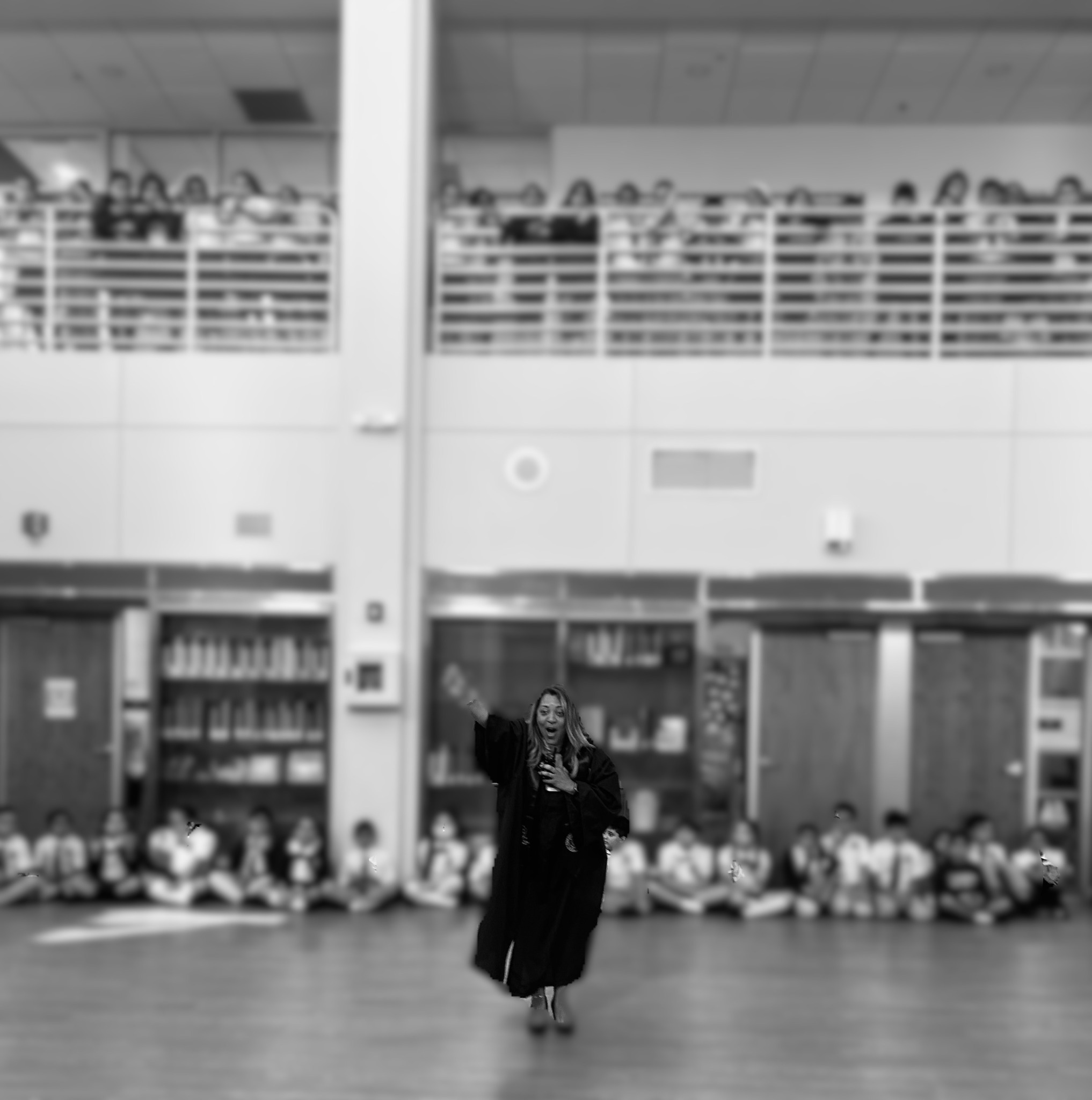
About Me
I've had a passion for working with children since I was very young. I received my Doctor of Education degree with a concentration in Leadership from Northcentral University. I earned a master's degree in Curriculum & Instruction, Teaching English to Speakers of Other Languages and Leadership from Concordia University and a Bachelor's in Elementary Education & Special Education from Grand Canyon University.
I am certified in the state of Florida in Elementary (K-6), ESOL (K-12) and Exceptional Student Education (K-12). I have over 12 years of experience in the field of education. I began my educational career in the Miami Dade School District as a second grade teacher. I spent several years teaching as a second and fourth grade teacher before becoming assistant principal in 2013. From 2014 to the present I have served as a principal working with elementary, middle and high school students.
My educational experience has granted me the opportunity to collaborate with a diverse group of people to meet the common goal of increasing student achievement while providing a nurturing and safe learning environment. My philosophy is based on the sole belief that all students can learn, given all the necessary tools, a positive learning environment, knowledgeable leadership, a committed educational team, and encouraging community and a supportive family.
At the personal level, I am the mother of four children, my true pride and joy. The oldest graduated from the Miami International University Art & Design and followed my footsteps in the field of education. My second son is in his third year of undergraduate school, my third son is in his junior year of high school and my youngest is a baby.
Philisophy of Education
I believe that every child, regardless of their circumstances, can learn. This belief is rooted in the philosophy of education known as inclusive education. Inclusive education promotes the idea that all students, irrespective of their abilities, disabilities, backgrounds, or other factors, have the right to receive a quality education in a mainstream setting.
This philosophy recognizes the inherent worth and potential of every child and aims to create an environment that accommodates diverse learning styles, needs, and abilities. Inclusive education seeks to remove barriers to learning and promote equal opportunities for all students to reach their full potential.
Here are some key principles that support the belief that every child can learn:
- Individual Differences: Inclusive education recognizes that every child is unique and possesses different abilities, strengths, and weaknesses. It acknowledges that diverse learners require various teaching approaches, instructional strategies, and support systems to thrive academically and personally.
- Universal Design for Learning (UDL): UDL is an educational framework that aims to provide multiple means of representation, expression, and engagement to accommodate different learning styles and abilities. It focuses on creating flexible and inclusive learning environments that can be accessed by all students.
- Equity and Social Justice: Inclusive education is deeply rooted in the principles of equity and social justice. It aims to address the systemic barriers that can prevent certain groups of students from accessing quality education. By providing equal opportunities and resources, inclusive education promotes fairness and inclusivity.
- Collaboration and Support: In an inclusive education system, collaboration among educators, parents, and other professionals is crucial. By working together, they can identify and address the individual needs of students, provide necessary support, and create a supportive learning community.
- Positive School Culture and Climate: Inclusive education promotes a positive and accepting school culture that celebrates diversity and fosters a sense of belonging for all students. It encourages respectful and inclusive interactions among students, teachers, and staff, creating an environment conducive to learning and personal growth.
It is important to note that while the philosophy of inclusive education emphasizes the belief in the potential of every child, it also recognizes that some students may require additional support or accommodations to overcome certain challenges. By providing individualized attention and tailored interventions, inclusive education seeks to create an environment where all children can thrive and reach their educational goals.
“Education is the most powerful weapon which you can use to change the world.”
Nelson Mandela